
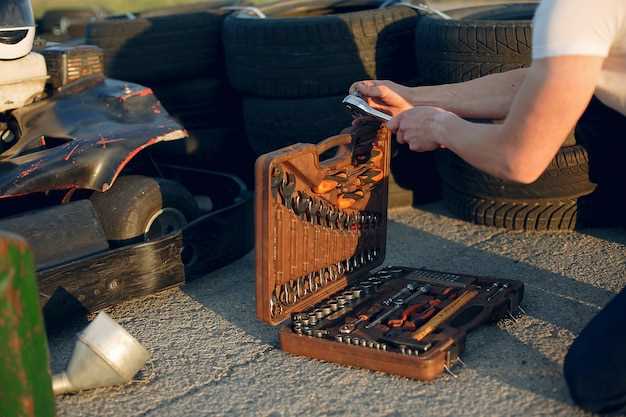
For enthusiasts and collectors alike, maintaining a classic car is not just a hobby; it’s a passion. As the seasons change, so do the needs of your vintage vehicle. Whether you are getting ready for summer drives or preparing your car for winter storage, understanding the specific maintenance requirements for each season is crucial in preserving the integrity and performance of your classic ride.
Proper seasonal maintenance not only enhances the longevity of your car but also ensures that it remains a reliable companion on the road. As temperatures fluctuate and weather conditions vary, taking proactive measures can prevent minor issues from becoming major problems. This guide will provide you with essential tips tailored to each season, helping you keep your classic car in peak condition all year round.
From checking fluid levels to protecting the bodywork, every detail matters when it comes to vintage vehicles. By following seasonal maintenance practices, you can ensure that your prized possession remains a standout feature of your collection. Join us as we explore the key maintenance tasks necessary for maintaining your classic car through the changing seasons.
Spring Preparation Checklist for Classic Cars
As the seasons change and winter fades, it’s time for vintage car enthusiasts to ensure their beloved vehicles are ready for the warmer months. Below is a comprehensive checklist to help you prepare your classic car for spring.
1. Inspect the Battery: Cold weather can be harsh on car batteries. Check for corrosion, clean the terminals, and ensure the battery is fully charged. If the battery is more than three years old, consider testing it or replacing it.
2. Change the Oil: After months of inactivity, it’s essential to change the engine oil and oil filter. Fresh oil will help protect your vintage car’s engine and improve performance.
3. Check the Tires: Examine tire pressure and tread depth. Reinflate tires to the recommended PSI and inspect for any cracks or wear. Rotating your tires can also help extend their lifespan.
4. Inspect the Fuel System: Old fuel can lead to potential issues. If your classic car has been sitting for an extended period, consider draining the fuel tank and replacing it with fresh gasoline. Don’t forget to check fuel lines and filters for leaks or damage.
5. Check the Cooling System: Inspect hoses and belts for wear and cracks. Ensure the coolant is at an appropriate level and topped off to prevent overheating during those warm driving days.
6. Brake System Inspection: Safety is paramount. Check the brake fluid, pads, and lines for leaks. Test the brake system to ensure everything is functioning properly before hitting the road.
7. Clean and Wax: Spring is the perfect time to give your vintage car a thorough wash and wax. Remove any grime accumulated during winter and protect the paint with a good wax layer.
8. Check Lights and Signals: Ensure all exterior and interior lights are working correctly. Replace any burnt-out bulbs to maintain visibility and safety on the road.
9. Inspect the Interior: Look for any signs of wear or damage in the upholstery and dashboard. Clean the interior to remove dust and vacuum any debris that may have accumulated over the winter months.
10. Take a Test Drive: Finally, take your classic car for a thoughtful test drive. Listen for any unusual noises and gauge the performance. If everything feels right, enjoy the beauty of the spring season in your vintage ride!
Summer Cooling System Care for Vintage Vehicles

As summer temperatures rise, ensuring the cooling system of your vintage car is in top shape is essential to prevent overheating. A comprehensive checklist can help you maintain optimal performance during the hotter months.
1. Inspect Coolant Levels: Check the coolant reservoir and ensure the fluid is at the recommended level. Coolant should be a proper mix of antifreeze and water, typically in a 50/50 ratio, to provide effective heat dissipation.
2. Examine Hoses and Clamps: Inspect all hoses for signs of wear, cracking, or bulging. Pay attention to the clamps, ensuring they are secure and free from rust or corrosion. Replace any damaged components to avoid leaks and pressure loss.
3. Radiator Condition: Check the radiator for any signs of dirt, debris, or corrosion. A clean radiator is crucial for efficient cooling. If necessary, flush the radiator to remove any build-up that could hinder performance.
4. Test the Thermostat: Ensure the thermostat is functioning correctly. A faulty thermostat can cause the engine to overheat or run too cool. Replace it if you notice irregular temperature readings on your gauge.
5. Inspect the Water Pump: Check the water pump for leaks and ensure it operates quietly. A failing water pump can lead to coolant loss and engine overheating. Replacing a worn water pump before summer can prevent headaches later.
6. Fan Operation: Verify that the cooling fan engages at the correct temperature. If your vintage vehicle has a belt-driven fan, check the condition of the belt and replace it if it shows signs of wear.
7. Monitor Engine Temperature: Keep an eye on the temperature gauge while driving. If the gauge climbs into the danger zone, pull over and allow the engine to cool before inspecting the cooling system further.
Following this checklist will help ensure that your vintage car’s cooling system operates efficiently throughout the summer, protecting your investment and ensuring enjoyable drives on warm days.
Autumn Storage Tips for Classic Cars

As autumn approaches, it’s crucial to prepare your vintage car for seasonal storage. Proper planning ensures that your vehicle remains in excellent condition during the colder months. Here’s a comprehensive checklist to help you get started:
1. Clean and Detail
Before storing, wash and wax your car thoroughly. Removing dirt and contaminants can prevent corrosion and maintain the paint. Clean the interior as well, vacuuming carpets and upholstery to avoid unwanted odors and pests.
2. Check Fluid Levels
Ensure that all fluid levels are optimal. This includes engine oil, coolant, brake fluid, and transmission fluid. Top off any fluids as necessary to prevent moisture accumulation and protect engine components.
3. Battery Maintenance
Disconnect the battery or use a trickle charger to keep it maintained. Cold temperatures can drain battery life, so taking this precaution will help preserve its charge.
4. Tire Care
Inflate the tires to the recommended pressure to avoid flat spots. Consider placing your classic car on jack stands if it will be stored for an extended period. This not only protects the tires but also relieves stress on suspension components.
5. Fuel Preservation
Fill the gas tank and add a fuel stabilizer to prevent the fuel from degrading. This helps avoid fuel-related issues when you’re ready to take your car out for a spring drive.
6. Cover Your Classic
Invest in a high-quality, breathable car cover designed for your vintage model. This will protect your vehicle from dust, moisture, and potential scratches while allowing any trapped moisture to escape.
7. Choose the Right Storage Environment
Store your car in a climate-controlled space, if possible. Keep it away from direct sunlight and fluctuating temperatures to minimize wear and tear. Ensure the area is dry to reduce the risk of rust.
Following this checklist will help ensure your classic car remains in pristine condition during storage. By taking these necessary steps, you can enjoy peace of mind knowing your vintage vehicle is well cared for until the warmer months return.


